
Selank: Insights from Research
A Closer Look at Selank
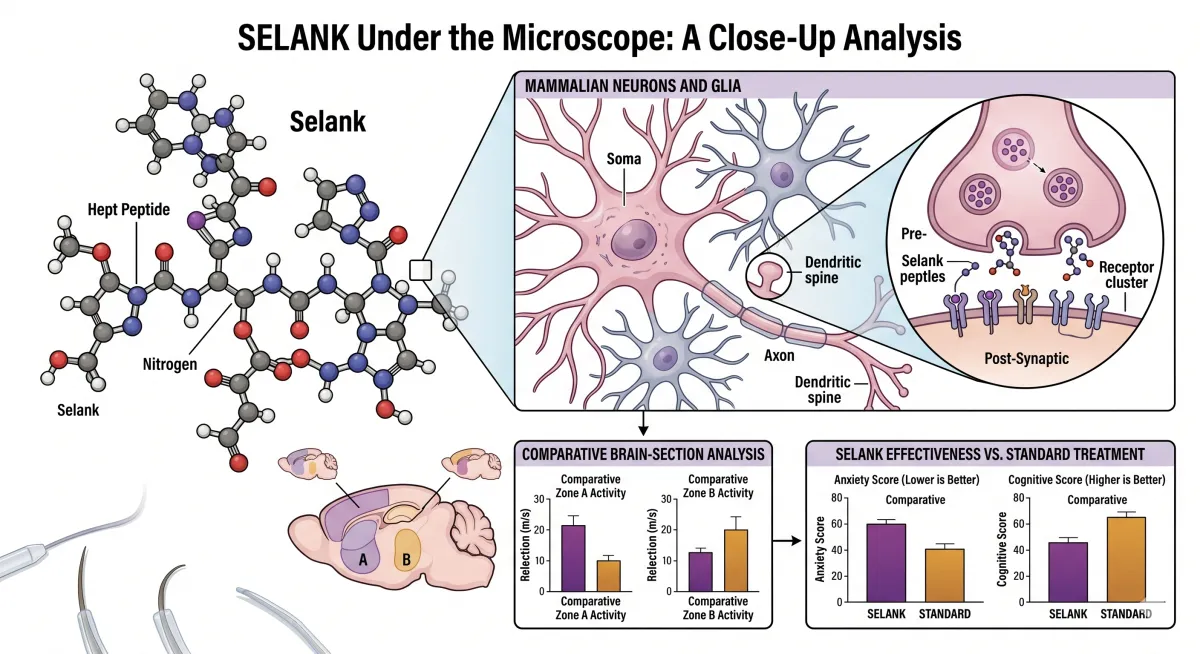
Selank is a synthetic heptapeptide derived from tuftsin, designed to explore how small peptides can influence both neurological and immune pathways. At HELIX Source, we highlight Selank as an example of how peptide science intersects with neurotransmission and stress biology.
How Selank Works
Selank has been studied for its ability to modulate serotonin and dopamine activity, while also influencing cytokine expression. This dual role makes it a candidate for research into the cross‑talk between the nervous and immune systems.
Key Research Findings
Neurotransmission: Preclinical studies suggest Selank alters monoamine levels.
Immune Modulation: Evidence points to cytokine regulation and immune balance.
Stress Response: Rodent models show behavioral shifts under stress conditions.
Why It Matters
Scientific Potential: Offers insight into peptide‑based regulation of complex systems.
Transparency: Findings remain preclinical and exploratory.
HELIX Source Commitment: We emphasize research‑grade peptides only, ensuring compliance and reproducibility.
Looking Ahead
Selank’s dual role in neurological and immune pathways makes it a fascinating subject for ongoing peptide research. HELIX Source continues to monitor developments to keep our knowledge base aligned with cutting‑edge science.
References
Ashmarin, I.P., et al. (1995). Tuftsin fragments and synthetic analogs: immunological and neurochemical properties.
Medvedev, A.E., et al. (2002). Neuropeptide Selank: modulation of the immune system and behavioral studies.
Inozemtseva, L.S., et al. (2008). Selank’s influence on neurotransmitter gene expression.
For Research Use Only – Not for Human or Animal Use. The contents of this article is for educational and informational purposes only.

