
NAD+ in Focus: What Research Reveals
A Molecule at the Core of Cellular Energy
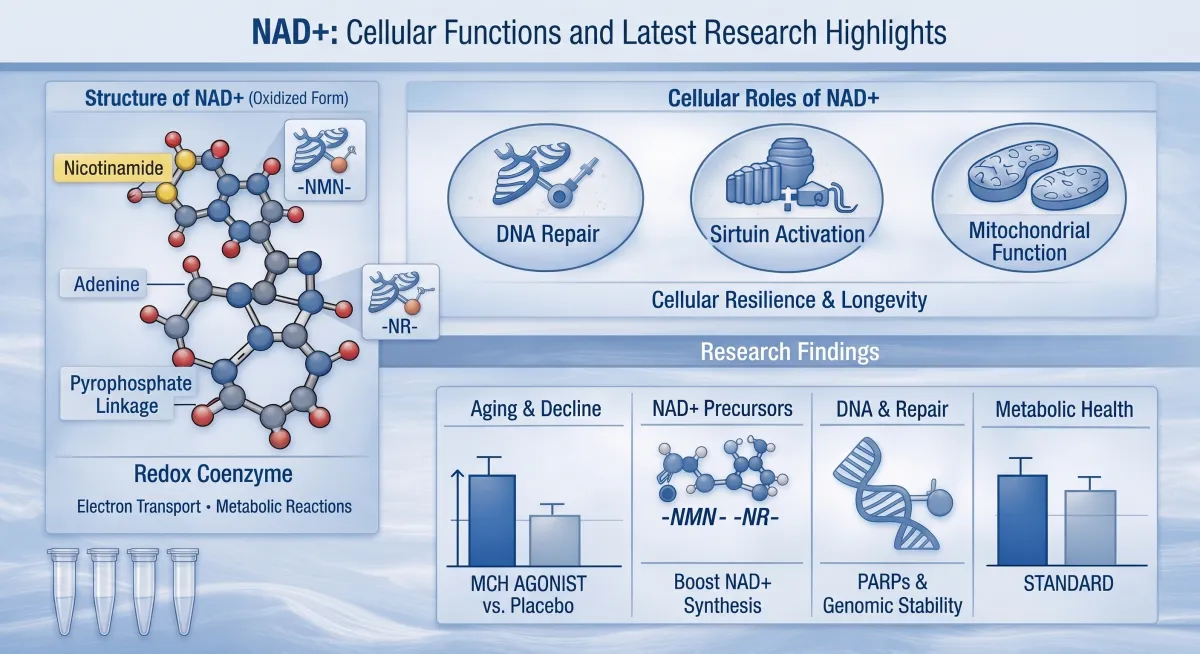
Nicotinamide adenine dinucleotide (NAD+) is one of the most essential molecules in biology. It acts as a coenzyme in redox reactions, helping cells convert nutrients into energy. Beyond metabolism, NAD+ has been linked to DNA repair, gene expression, and signaling pathways that influence aging and disease. At HELIX Source, we emphasize NAD+ as a cornerstone of biochemical research.
How NAD+ Functions
NAD+ shuttles electrons during metabolic reactions, making it vital for ATP production. It also serves as a substrate for enzymes like sirtuins and PARPs, which regulate stress responses, DNA repair, and cell survival. This dual role — energy metabolism and signaling — explains why NAD+ has become a focal point in longevity and regenerative studies.
What Studies Have Revealed
Recent research highlights several key findings:
Aging and Decline: NAD+ levels naturally decrease with age, impacting mitochondrial function and cellular resilience.
Supplementation Studies: Precursors such as NMN and NR have been tested for their ability to restore NAD+ levels in animal and human models.
DNA Repair: NAD+ is consumed by PARP enzymes during repair processes, linking it directly to genomic stability.
Metabolic Health: Elevated NAD+ has been associated with improved insulin sensitivity and mitochondrial efficiency in preclinical studies.
Why It Matters
NAD+ research provides insight into how cells maintain energy and repair damage over time. For peptide and biochemical science, understanding NAD+ pathways helps researchers design interventions that support cellular resilience. At HELIX Source, we highlight these findings to ensure transparency and reproducibility in research contexts.
Looking Ahead
As clinical trials expand, NAD+ continues to be investigated for its potential in metabolic disorders, neurodegeneration, and age‑related decline. HELIX Source remains committed to monitoring these developments, ensuring our research content reflects the latest science.
References
Verdin, E. (2015). NAD+ in aging, metabolism, and neurodegeneration. Science.
Yoshino, J., et al. (2018). NAD+ precursors and their therapeutic potential. Cell Metabolism.
Rajman, L., et al. (2018). NAD+ metabolism and its roles in cellular processes. Cell.
For Research Use Only – Not for Human or Animal Use. The contents of this article is for educational and informational purposes only.

